Braces · fixed braces and brackets
Braces in Hitzkirch: fixed braces with brackets
Fixed braces are the proven way to correct teeth and bite, for teenagers and adults alike. In Hitzkirch, Dr Steffi Koychev treats with metal brackets, tooth-coloured ceramic brackets, self-ligating brackets and lingual brackets on the inside of the teeth. Which option suits you or your child is something we work out at the first consultation.
★ 5.0 on Google · 21 reviews
Fixed braces consist of small brackets bonded to the teeth and connected by a thin archwire. They work around the clock and also suit severe tooth and bite misalignments. At SmileHouse in Hitzkirch (Bahnhofstrasse 3, canton of Lucerne, Switzerland), Dr med. dent. Steffi Koychev, MSc Orthodontics, SSO, treats teenagers and adults with metal brackets, tooth-coloured ceramic brackets, self-ligating brackets and lingual brackets on the inside of the teeth. A complete treatment usually takes 18 to 30 months and typically costs CHF 6,000 to 12,000 in Switzerland, including all check-ups. Before treatment starts you receive a written, binding cost estimate. The practice is a few minutes' walk from Hitzkirch station on the S9 line between Lucerne and Lenzburg and is open until 7 pm on Tuesdays.
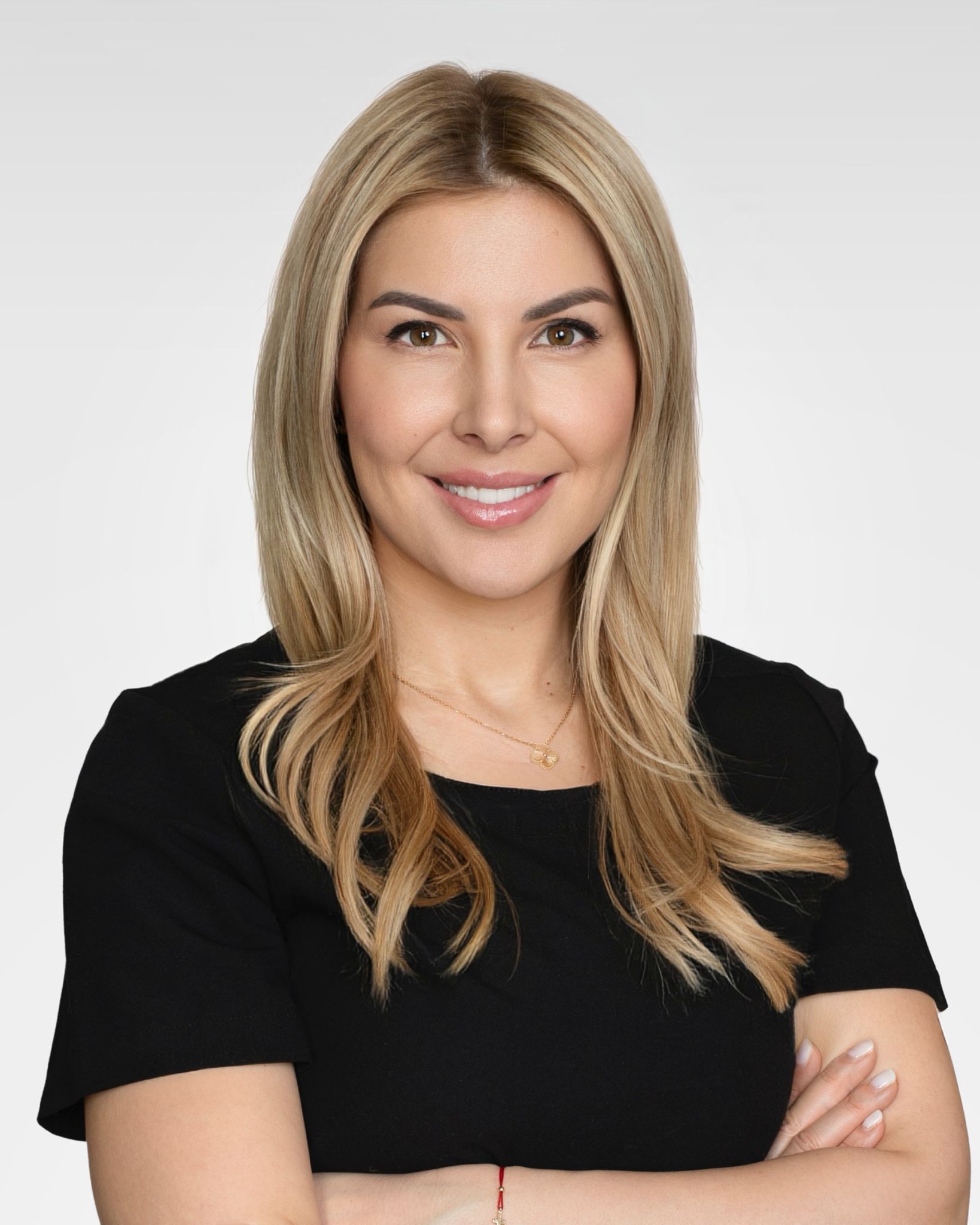
Dr Steffi Koychev is a dentist with an MSc in Orthodontics and a member of the SSO, the Swiss Dental Association. She plans every treatment personally and recommends what suits your findings: fixed braces, aligners or, for children, a removable appliance first. Ongoing international training lets her combine many years of experience with the latest scientific findings.
Which braces are right?
"Braces" covers several appliances. Depending on age and findings, different ones may be considered:
Fixed braces (brackets)
Brackets on the teeth, connected by an archwire. For teenagers and adults, including severe misalignments. This is what this page is about.
Removable appliances for children
Removable appliances that guide jaw growth, usually at age 7 to 11 and often as a first phase before fixed braces.
Clear aligners
Thin, removable trays instead of brackets, almost invisible in everyday life. For many mild to moderate misalignments in adults and teenagers.
Myobrace® for children
A soft, removable appliance with short daily exercises. It addresses habits such as mouth breathing or an incorrect tongue position.
Fixed braces: the four bracket options
All fixed braces work on the same principle. The options differ in how visible they are and how the archwire is held. Which one is an option for you depends on your findings.
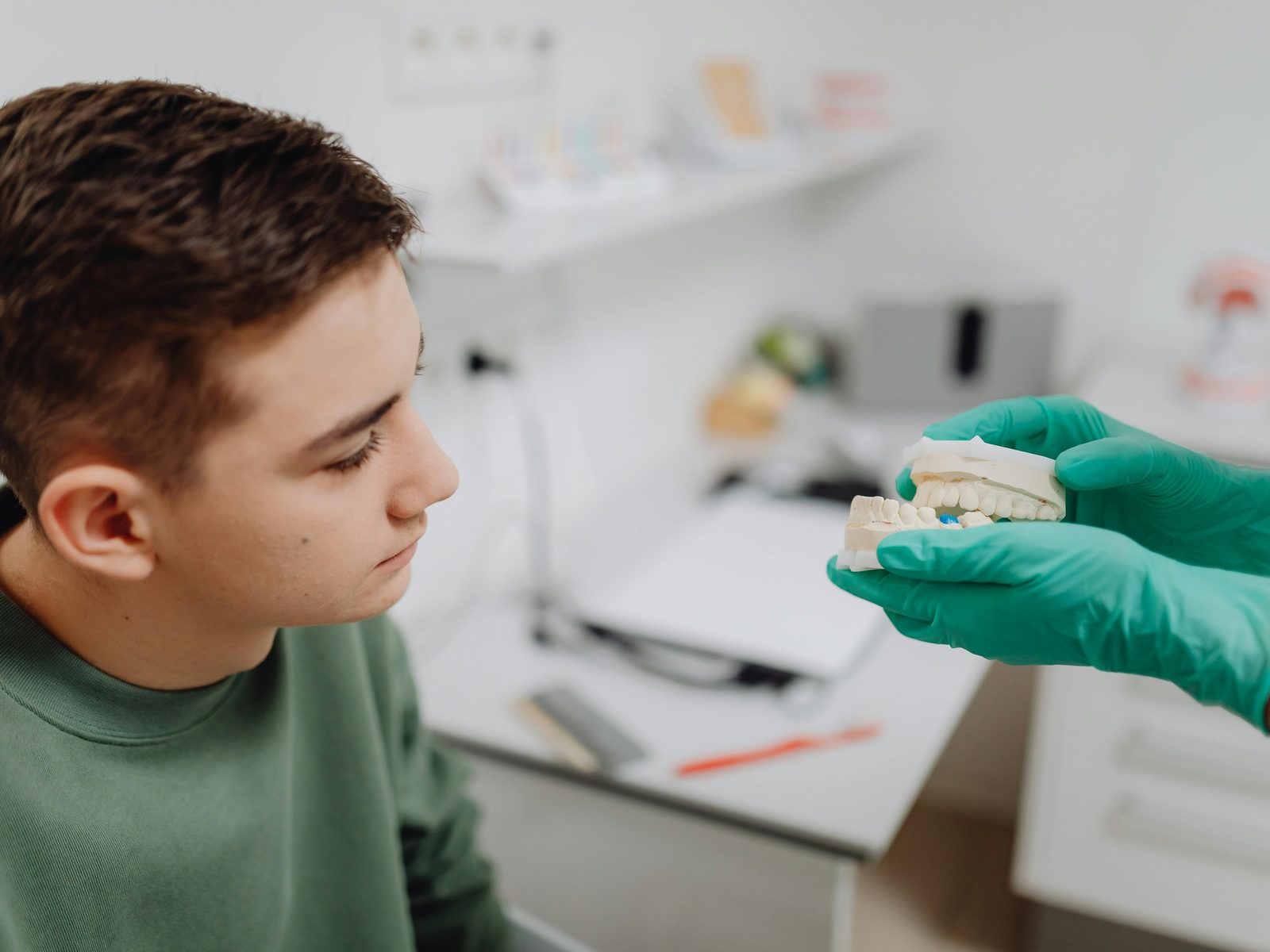
Metal brackets
The classic fixed brace: small, robust and proven, for teenagers and adults.
Ceramic brackets
Tooth-coloured brackets that are much less noticeable. They are often also called white or clear brackets. In price they sit at the upper end of the range.
Self-ligating brackets
Here a small clip holds the archwire. The usual elastic rings are not needed.
Lingual brackets
The brackets sit on the inside of the teeth and are hard to see from the front. The tongue needs a few weeks to get used to them.
Who fixed braces are suited to
The examination shows whether fixed braces, aligners or another appliance is the right choice. Typical situations:
Teenagers
The teenage years are the most common time for orthodontic treatment. Fixed braces work without anyone having to remember to wear them.
Adults
Teeth can still be moved in adulthood if teeth, gums and jawbone are healthy. Ceramic or lingual brackets make treatment less noticeable.
Severe misalignments
Severe crowding, strongly rotated teeth or large bite corrections can often be treated more reliably with fixed braces than with aligners.
When consistent wear is difficult
Aligners only work if they are worn about 22 hours a day. Fixed braces stay in the mouth and work around the clock.
Fixed braces or aligners?
Both methods can correct teeth when they suit the case. The differences are mostly in everyday life. Which one makes sense for you is something we work out at the first consultation.
| Day to day | Fixed braces | Aligners |
|---|---|---|
| Appearance | Brackets are visible; ceramic or lingual brackets are less noticeable | Clear, barely noticeable in conversation |
| Eating and brushing | Brackets stay in; avoid hard and sticky food, brushing takes longer | Trays come out, so you eat and brush as usual |
| Your part | Work around the clock without you having to think about it | Wear them about 22 hours a day, otherwise treatment takes longer |
| Check-ups | Regular check-up appointments at the practice | Weekly scan at home with Dental Monitoring, practice visits only when needed |
| Suitable for | Also severe misalignments and larger bite corrections | Many mild to moderate misalignments |
How treatment with fixed braces works
- 1
First consultation in Hitzkirch: we talk about what you would like to change and examine teeth, bite and gums. The appointment is charged according to the SSO dental tariff.
- 2
Assessment and plan: X-rays and a digital scan instead of impressions are the basis of the treatment plan. You find out which braces make sense, roughly how long treatment will take and what it costs. You receive a written cost estimate.
- 3
Fitting: the brackets are bonded to the teeth and connected with the first archwire. Fitting them does not hurt. We show you how to look after your braces.
- 4
Check-ups: patients who live close to the practice usually come in for a short appointment every 4 to 8 weeks, after school or after work if you wish, on Tuesdays until 7 pm. Patients who live further away are also followed with Dental Monitoring: a weekly scan at home with a smartphone, included in the treatment price.
- 5
Finishing and retainer: after active treatment the brackets are removed. A retainer keeps the teeth in their new position.
What fixed braces mean in everyday life
More thorough brushing
Plaque builds up more easily around brackets and wire. Brushing takes longer and needs small aids such as interdental brushes. We show you how.
Care with food
Hard and sticky food can loosen brackets. Apples or carrots are best cut into pieces.
Pressure in the first days
After fitting or after an adjustment, the teeth feel a pressure that usually eases after two to three days.
How to reach us in Hitzkirch
SmileHouse is at Bahnhofstrasse 3 in Hitzkirch, between Lake Baldegg and Lake Hallwil, a few minutes' walk from the station.
From the Seetal
By S9 train to Hitzkirch station, every half hour and without changing from Hochdorf, Baldegg, Gelfingen, Ermensee, Mosen and Beinwil am See.
From Lucerne
About 30 minutes by car (26 km). By train, the S9 runs every half hour to Hitzkirch station without changing, about 55 minutes door to door.
From Zug, Cham and Baar
About 30 minutes by car from Zug and Baar (29 km) and about 25 minutes from Cham (22 to 23 km). After-work appointments are possible on Tuesdays until 7 pm.
How much do fixed braces cost?
In Switzerland, a complete treatment with fixed braces usually costs CHF 6,000 to 12,000, over 18 to 30 months and including all check-ups. Ceramic brackets sit at the upper end of the range. After the first consultation and assessment you receive a written, binding cost estimate before you decide. The costs are invoiced in instalments over the course of treatment. For children and teenagers, supplementary dental insurance taken out in good time often contributes.
Common questions about fixed braces
Lingual brackets are the hardest to see, because they sit on the inside of the teeth. Ceramic brackets are tooth-coloured and much less noticeable than metal brackets. If you would rather have no brackets at all, we can advise you on aligners, provided they suit your findings.
Both work on the same principle. Metal brackets are robust and proven; ceramic brackets are tooth-coloured and less noticeable. In price, ceramic brackets sit at the upper end of the range.
With self-ligating brackets a small clip holds the archwire. The usual elastic rings are not needed. We discuss at the first consultation whether this option makes sense for you.
With lingual braces the brackets are bonded to the inside of the teeth. The braces are hard to see from the front.
A complete treatment usually takes 18 to 30 months. How long it takes for you depends on the misalignment; you receive an estimate with the treatment plan.
Fitting them does not hurt. In the first days after fitting or after an adjustment, the teeth feel a pressure that usually eases after two to three days.
In Switzerland usually CHF 6,000 to 12,000 for a complete treatment, including all check-ups. Ceramic brackets sit at the upper end of the range. You will find the exact price in the written cost estimate. The first consultation is charged according to the SSO dental tariff.
Basic health insurance covers orthodontics only for severe, medically defined disorders of the chewing system. Supplementary dental insurance can cover a large part for children if it was taken out before treatment became necessary. For recognised congenital conditions the IV (Swiss disability insurance) pays for treatment up to the age of 20.
Yes. Teeth can still be moved in adulthood if teeth, gums and jawbone are healthy. Many adults choose ceramic brackets, lingual brackets or aligners because they are less noticeable.
A first check-up is recommended between the ages of 6 and 8. Removable appliances are usually used between 7 and 11. Fixed braces generally follow in the teenage years, once the permanent teeth are through.
Patients who live close to the practice usually come in for a short check-up every 4 to 8 weeks during active treatment. Patients who live further away are also followed with Dental Monitoring: you scan your teeth once a week at home with your smartphone, and we review every scan.
No. You can request an appointment with us directly. Your dentist remains responsible for check-ups and prophylaxis; we take care of the orthodontic part.
Request a braces consultation
Tell us briefly what it is about, for yourself or for your child. We will get back to you with a suggested time for the first consultation in Hitzkirch.
Myobrace® is a registered trademark of Myofunctional Research Co. SmileHouse is an independent orthodontic practice.